
The complete guide
When a fabric shelter beats a shed
The case for something you can fold up
A shed is a building. It needs a base, it needs assembling properly, it costs several times as much for the same covered volume, and when you move house it stays.
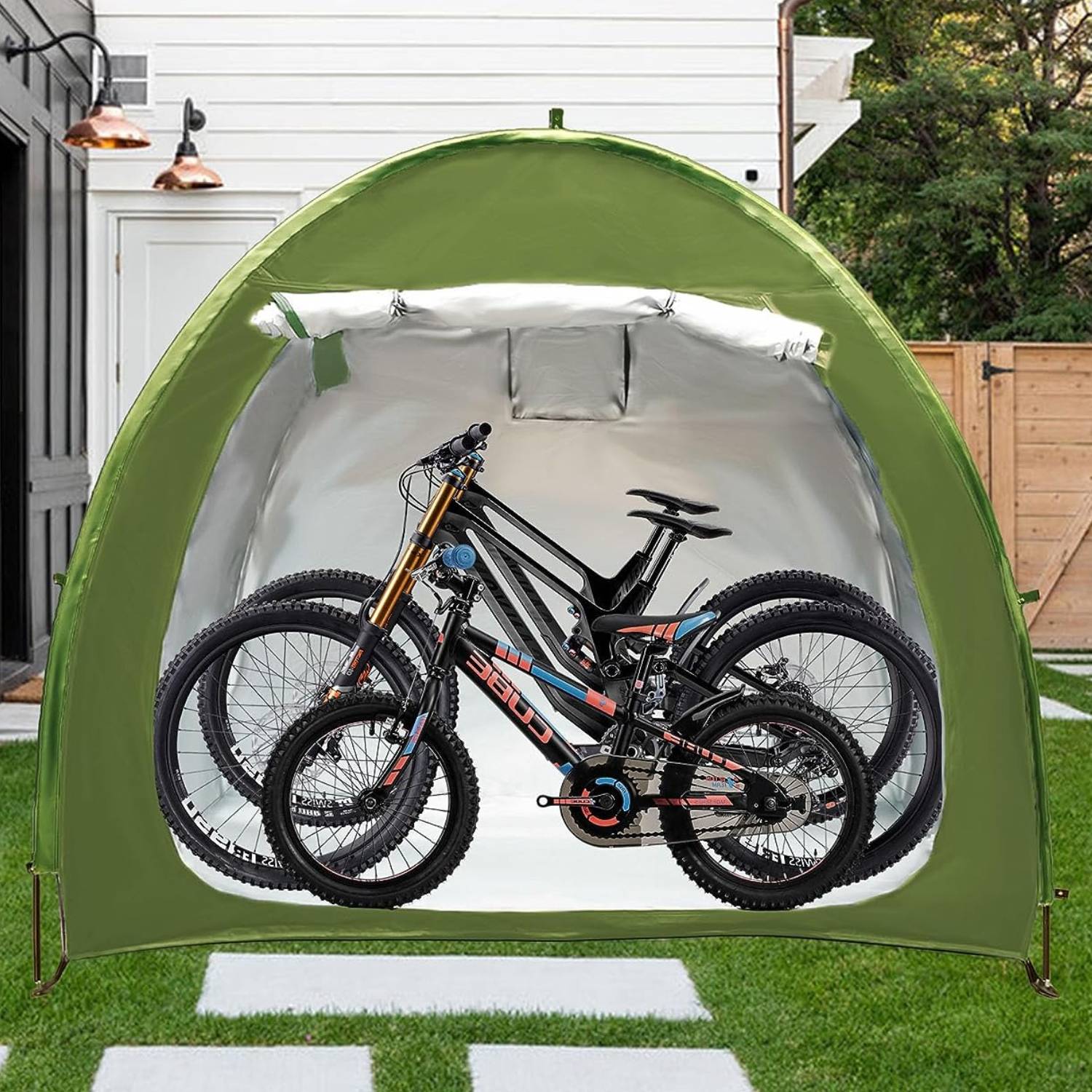
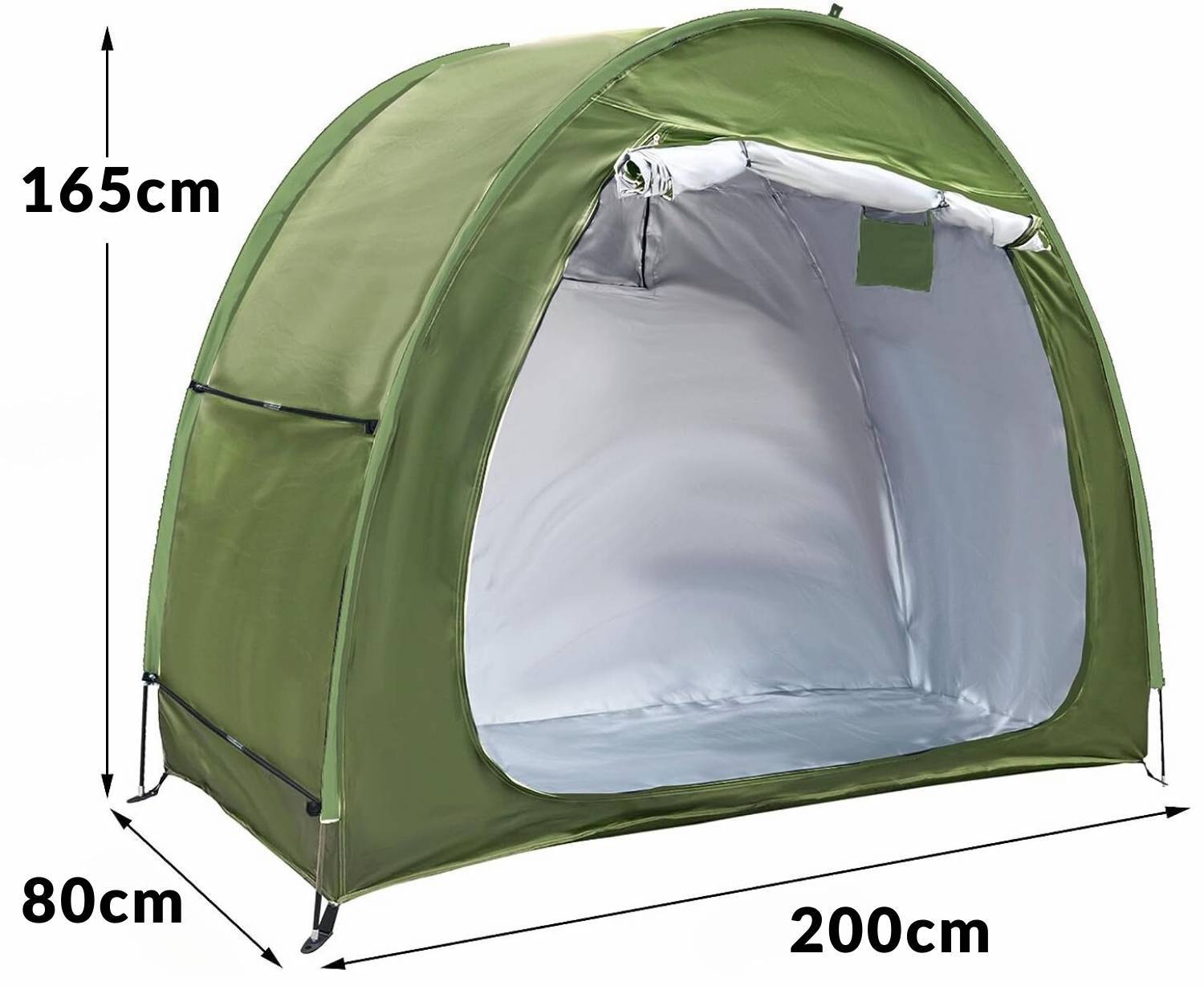
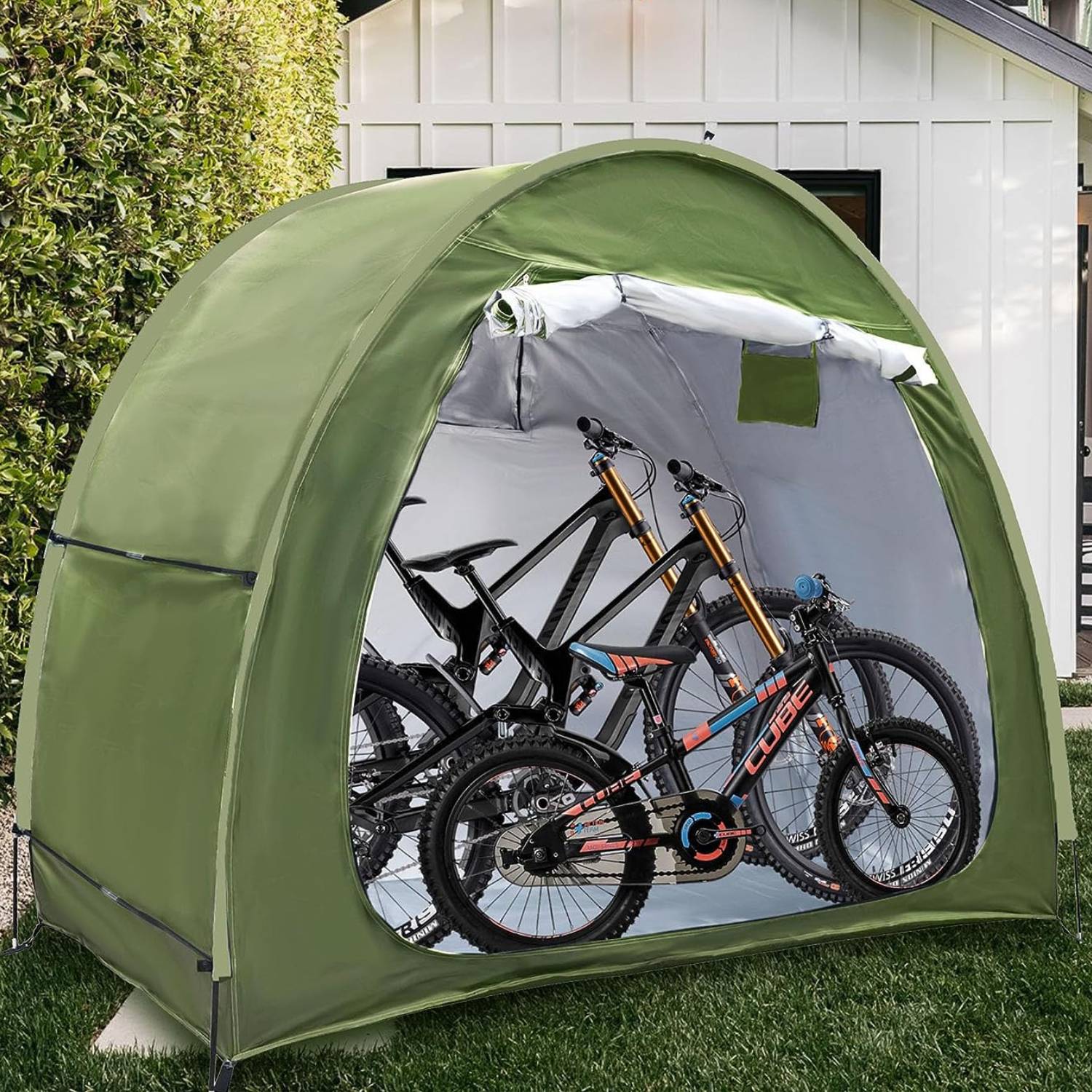
A fabric shelter is a different proposition. Ten minutes to put up, 2.53 kg in a bag, and it comes with you.
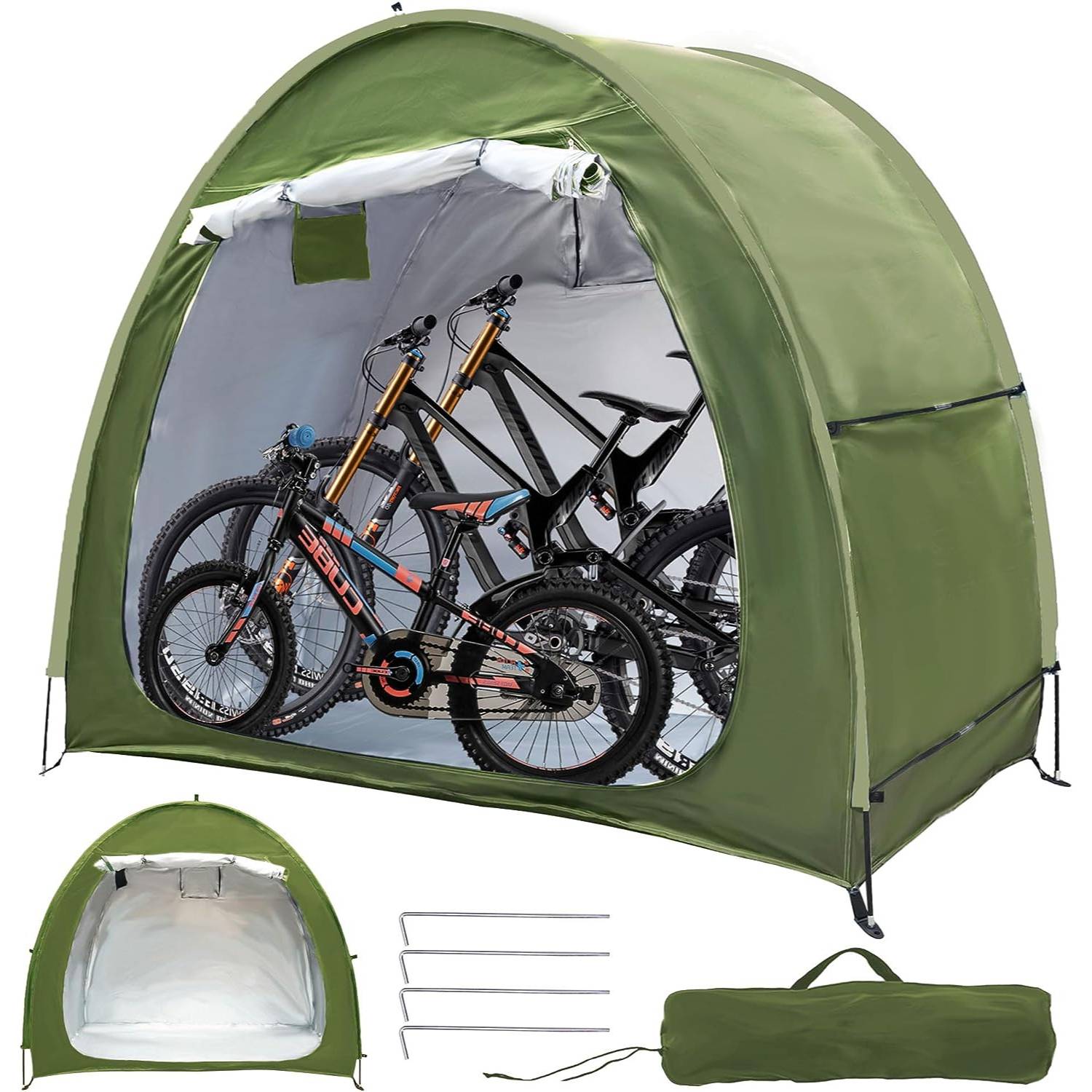
That suits more people than it sounds. Renters, anyone whose garden layout is not settled, anyone who needs winter cover for bikes and their space back in summer, and anyone who simply does not want to spend several hundred pounds to keep two bikes dry.
What the silver coating is for
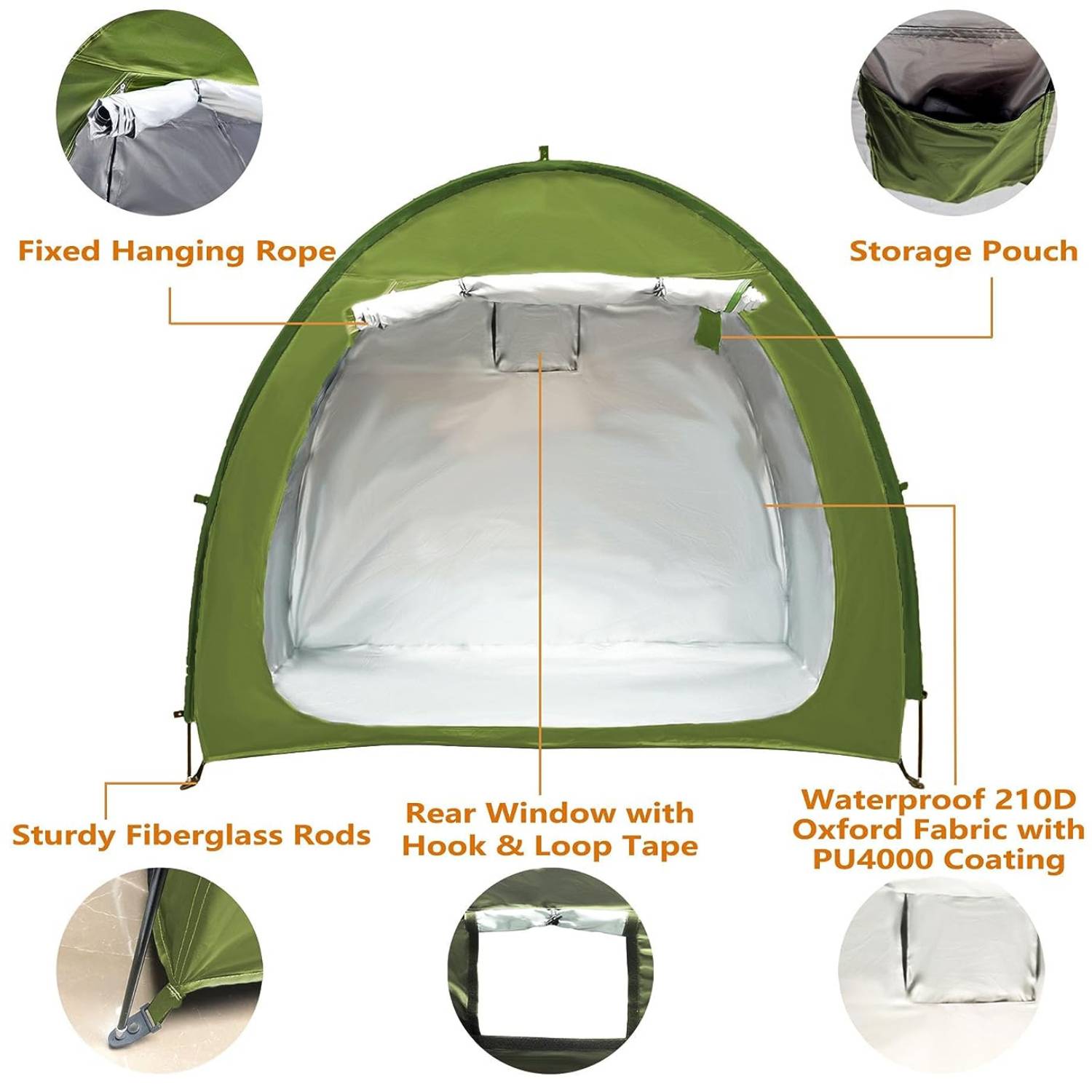
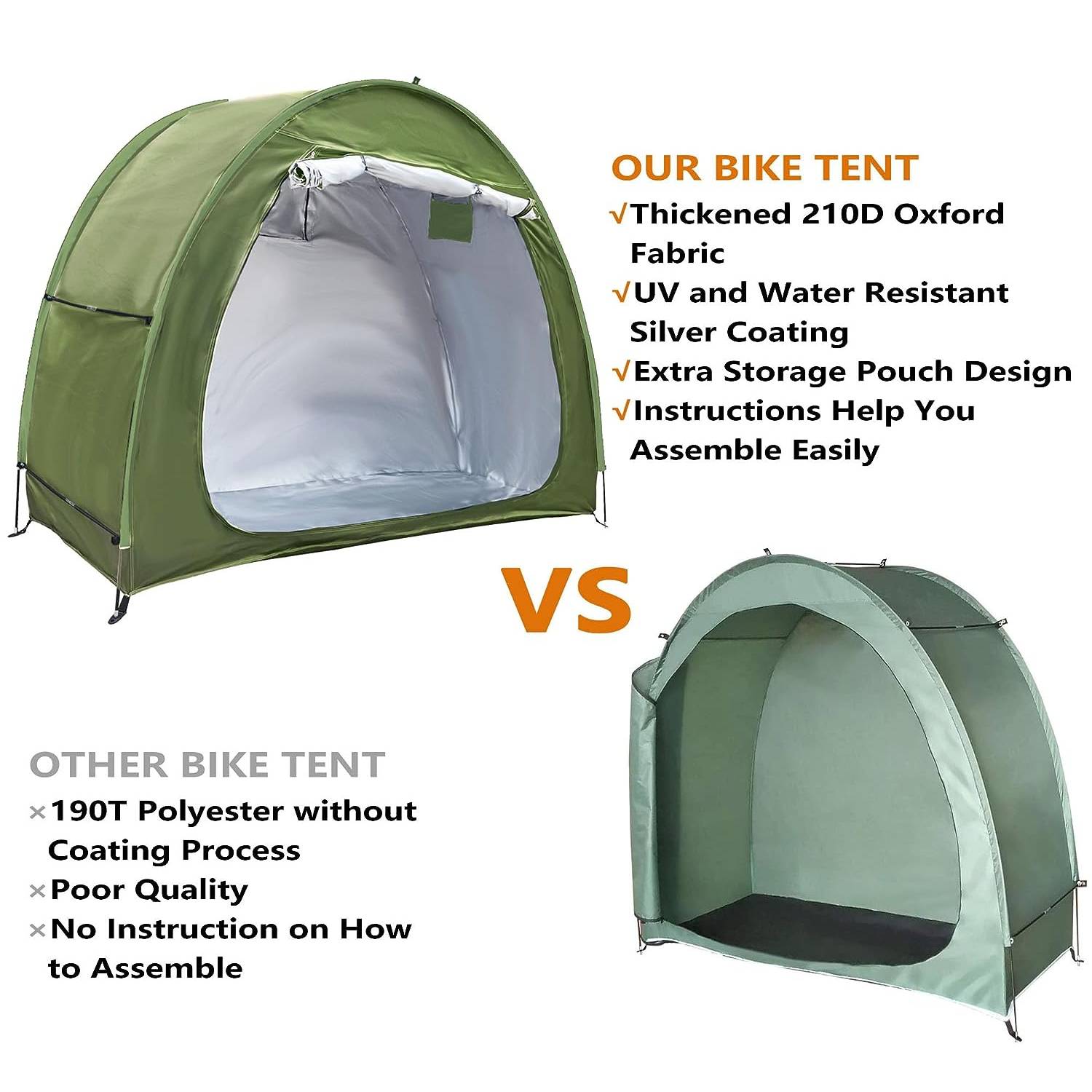
The fabric is 210D Oxford with a silver coating, and the coating earns its place three ways.
Water. It sheds rain rather than absorbing it, which is the obvious job.
UV. This is the one that decides how many seasons you get. Untreated fabric left in sunlight goes chalky, loses colour and eventually tears at the folds. The coating reflects a good proportion of that.
Dust. A closed cover keeps a year of grit off chains and gear cassettes, which matters more for a bike that lives outdoors than the rain does.
Pitching it so it stays put
This is a pegged fabric structure that weighs two and a half kilos. Wind is the thing to respect.
Peg all four corners, every time. It takes a minute and it is the difference between a shelter and a kite. In an exposed garden, add more anchoring than the four supplied pegs.
Pick the sheltered side. Against a fence, a wall or a hedge, out of the prevailing wind, is far better than the middle of an open lawn.
On hard standing, use weights. Pegs need soft ground. On a patio or driveway you will need another way to hold it down, and the honest answer is that a hard, exposed surface is the least suitable place for it.
Take it down for a storm. It packs into a bag in a couple of minutes. That is a feature, not a chore.
Drying, and the one mistake that ruins it
Almost every fabric shelter that fails early fails the same way: it was folded into its bag damp.
Mildew grows in the folds, it smells, and it marks the coating permanently. Once it is in, it does not come out.
So if you are packing it away, open it out somewhere it can dry completely first. If that means leaving it up for another day, leave it up for another day.
What it does not do
Two things, and being clear about them saves disappointment.
It is not secure. It is fabric, it has no lock, and it takes seconds to open. It hides the bikes from view and keeps weather off them. The bikes still need locking to something solid.
It is not a shed in severe weather. In normal conditions, pegged properly and reasonably sheltered, it does its job. Against a winter gale, a rigid structure is a different class of thing, and pretending otherwise is how people lose a tent.